Advanced Collision Warning System
Table of Contents
The latest in driver assistance technology
In 1986, the Centre High Mount Stop Lamp (CHMSL) or the “third brake light”, was first mandated for use in the US, but that’s where the innovation ended. And despite modern backup cameras, adaptive headlights, and forward collision systems (FCS), rear-end accidents remain the most common type of collision worldwide.
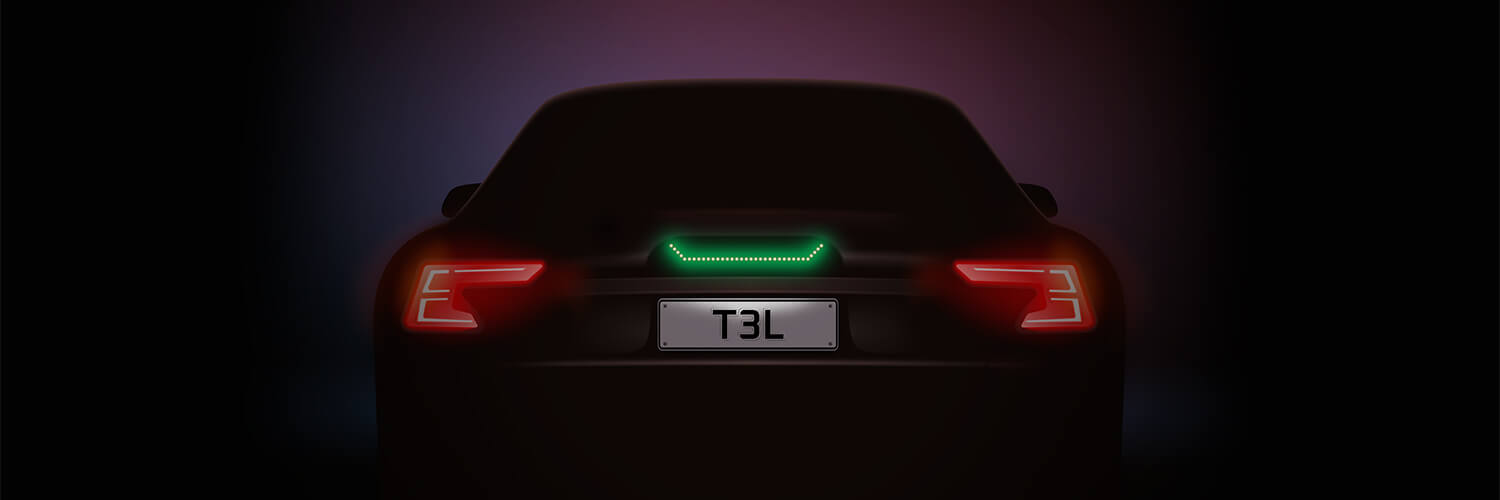
The T3L, or “Tell Tale Tail Light”, is patented technology offering the latest rear-end collision prevention, enhancing driver visibility and traffic behaviour forecasting. Operating independently and in conjunction with traditional vehicle braking systems, the T3L is fully automated and microcomputer-based.
The system requires no operation or intervention from motorists and provides accurate displayed information for vehicles at the rear.
Benefits of installing T3L technology
Human error makes up 70-80% of vehicle accidents due to driving under the influence, speeding, lack of awareness, driver distraction, and more. In addition, the high rear brake light only reduces collisions by 4% and doesn’t offer motorists enough time to predict the extent to which the drivers in front are slowing down or stopping.
Benefits of the T3L
- Increases traffic flow during normal or congested traffic conditions.
- Enhances visibility of vehicle speed changes.
- Improves driver visibility during night driving, bad weather conditions, and visual impairments.
- Improves the overall driving experience.
- Helps enhance safety and prevent accidents.
- Increases traffic throughput due to traffic synchronisation in rural and urban areas.
- Can be fitted to all vehicles, buses, lorries, etc.
- GPS/Satnav integration option.
- Can prevent rear-end collisions without the need for sensors or auto-braking assist.
- Cost-effective and lightweight.
How it works
The T3L display reveals the naked reality of vehicle speed changes through a series of intelligent light technology. The system can be fitted on the rear window, boot, or roof spoiler and does not require any moderate-to-high-level training by motorists.
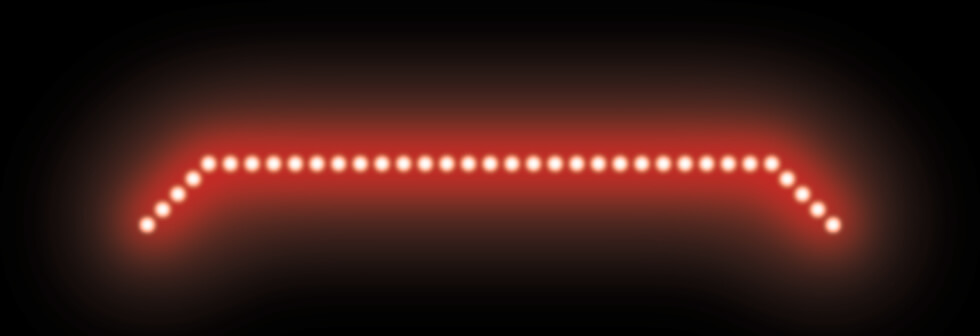
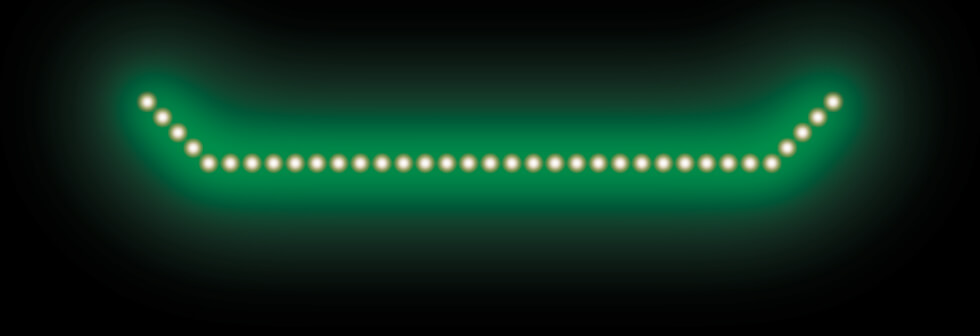
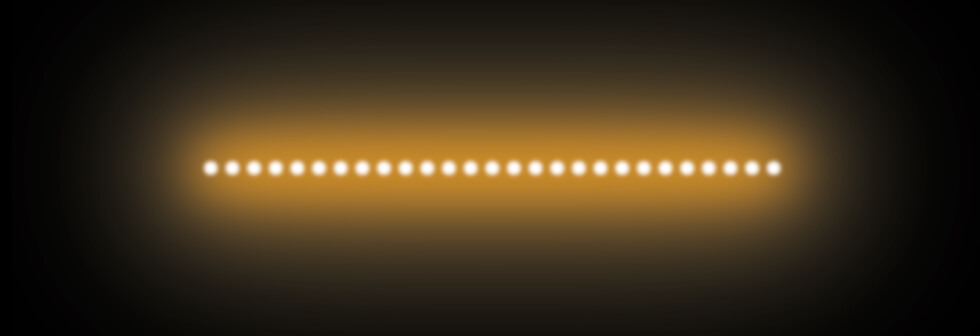
The T3L displays three lights indicating the vehicle’s motion status:
- Red: Decreasing vehicle speed
- Amber: Consistent vehicle speed
- Green: Increasing vehicle speed
To fit the T3L, a speed sensor is installed to sense the vehicle’s rotational mechanism, which must be directly proportional to the vehicle’s velocity, or it can be derived from the vehicle’s electronic system.
From here, the T3L algorithms are programmed into the vehicle’s computer, analysing the speed differences and transferring the calculation to the T3L display unit. Not only is it fully automated, but it also conforms to the standard motoring design.
Although the T3L may not be able to control how motorists drive, it does add an extra layer of visibility and precaution to motorists. Our goal is to change the negative statistics and replace them with safer driving experiences.
Invest in the future of safer roads with our patented advanced collision warning system technology.
Contact us today for information.